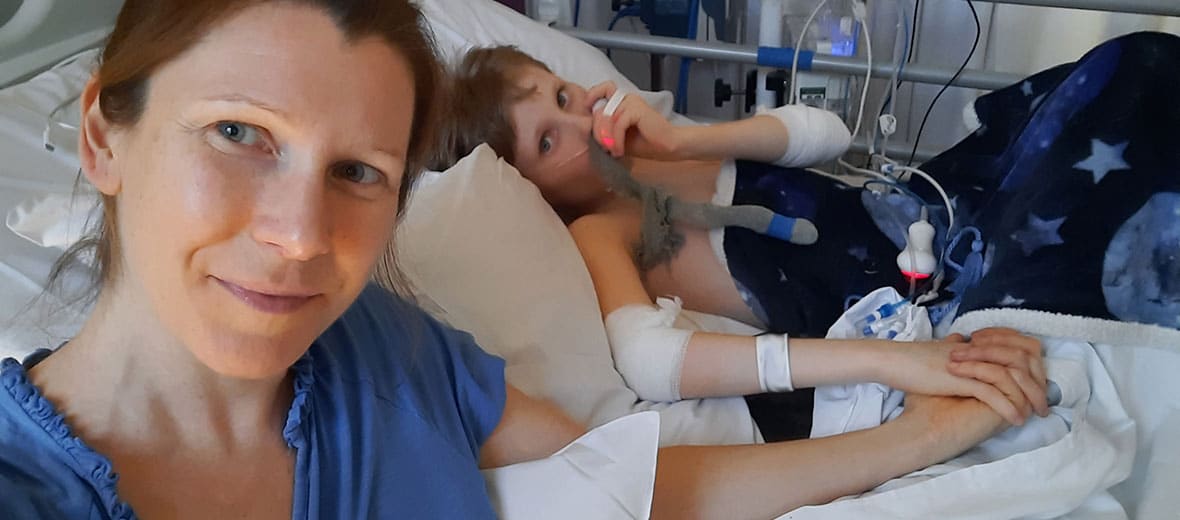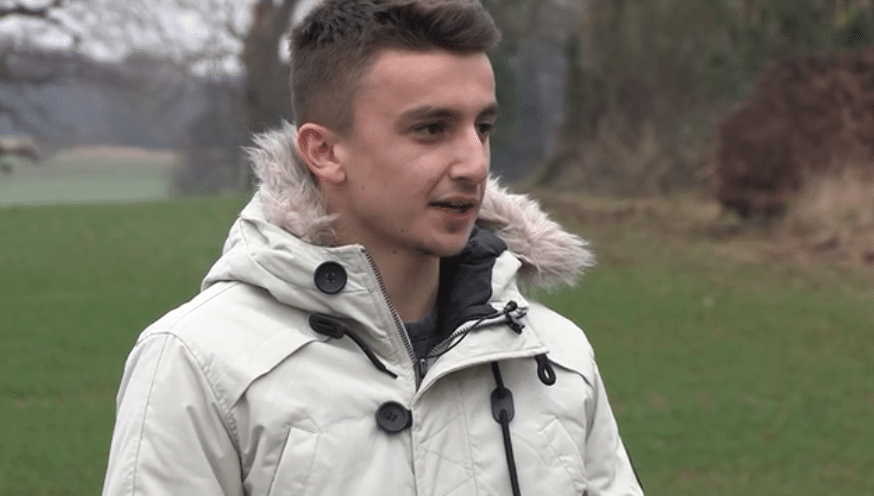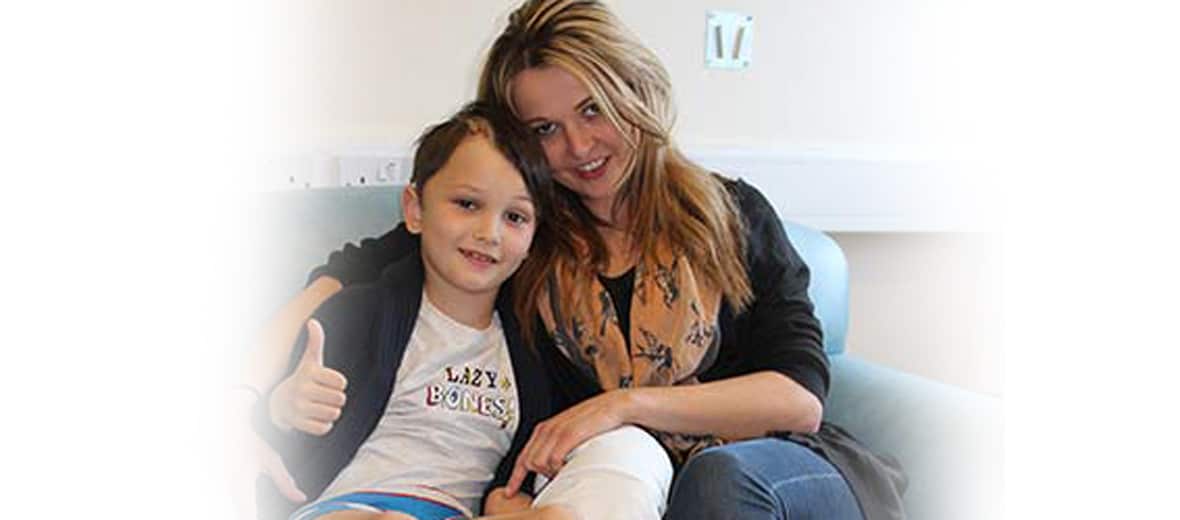
Mum Natalie recalls:
“Rio was walking with a friend to the playing fields opposite our house when he was hit by a car. His friend ran back to get me. The air ambulance intercepted the 999 call and arrived within minutes.”
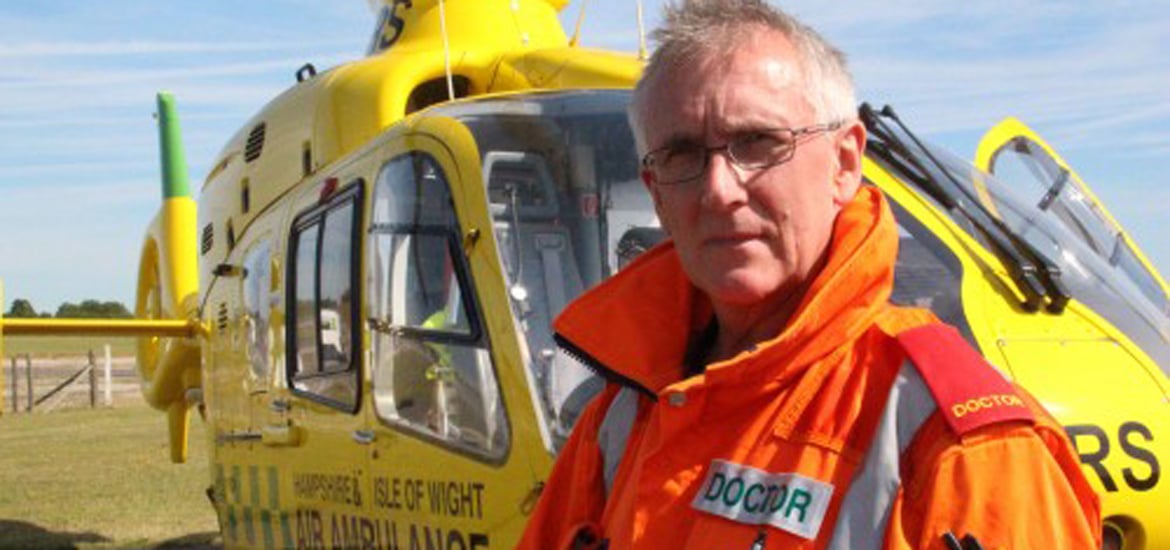
Rio was intubated and ventilated at the scene by the air ambulance doctor. The nearest Major Trauma Centre was Sheffield Children’s which can take up to 45 minutes by road from the scene of the accident. Thanks to the air ambulance, it took just six minutes.
Young people are transferred to Sheffield Children’s by air ambulance by landing in the public park opposite. Patients are then stretchered across the busy A57 to the Emergency Department. The delays landing meant that mum Natalie, who travelled with the police as there was no room in the air ambulance, arrived in time to see it all happen.
Natalie continues:
“The police had to clear the area and someone from the Trauma team had to stop traffic so they could stretcher him across. I couldn’t tell you how long exactly it was, it was all a bit of a blur, but it felt like the longest time of my life.”
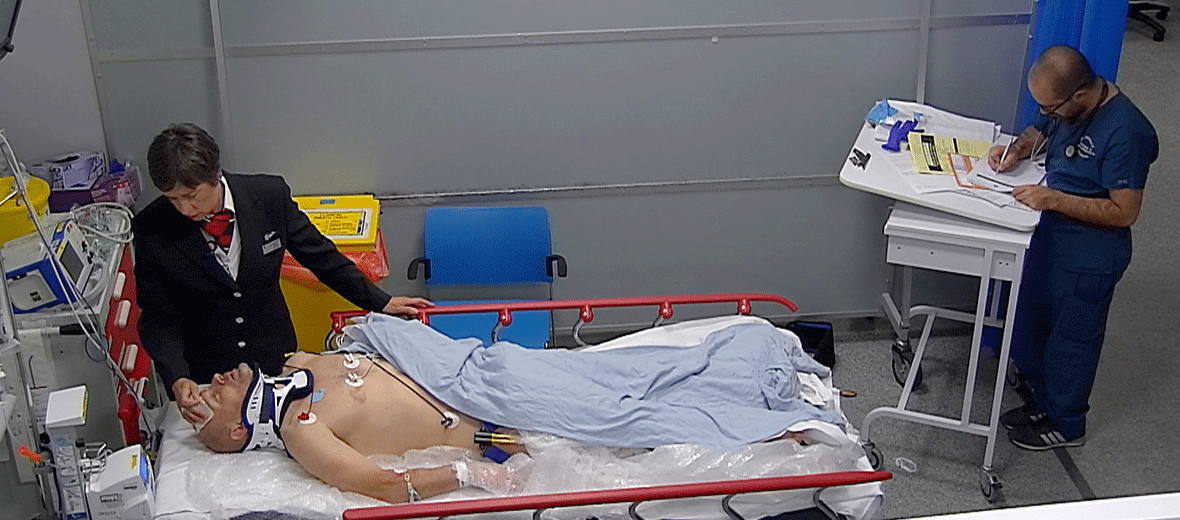
Rio was then met by the Trauma team at Sheffield Children’s which includes staff from the Emergency Department, Paediatric Critical Care Unit and surgical team as well as specialists in anaesthetics and neurosurgery. It also included members from the blood bank and radiology teams as well as porters.
Natalie adds:
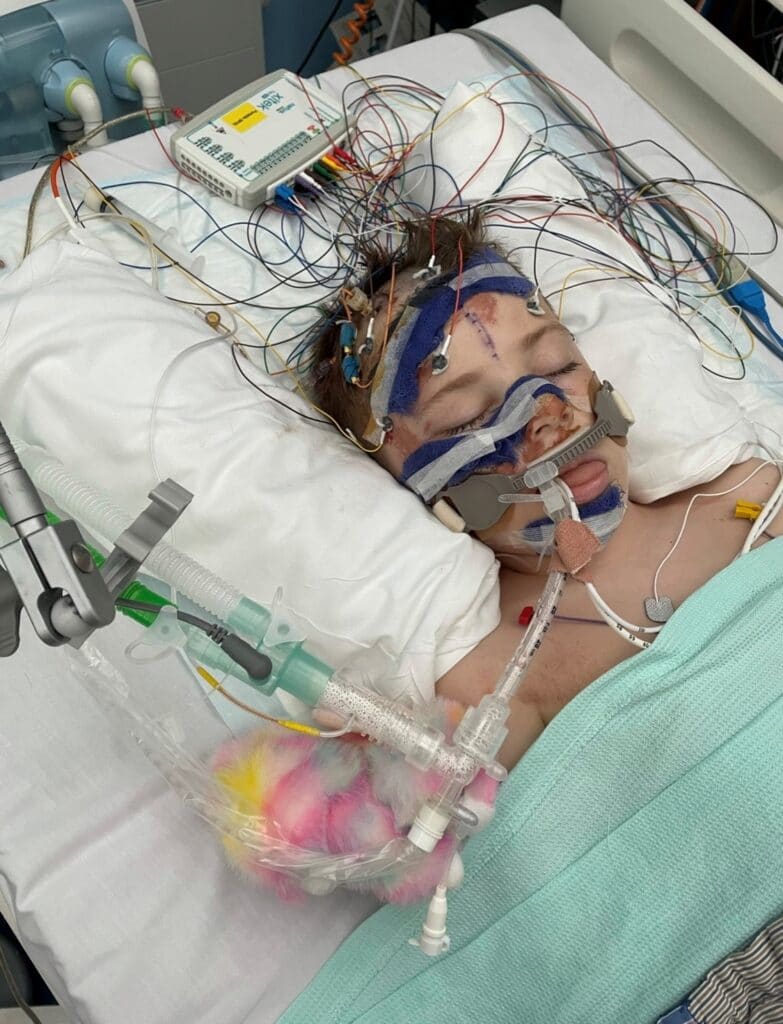
“There were instantly so many people around Rio, they all knew their roles and sprung into action so quickly, and the doctor from the air ambulance briefed them too.”
Rio had an Intracranial Bolt fitted to monitor the building pressure inside his skull, before moving onto the Intensive Care Unit at Sheffield Children’s where he spent the next five days in an induced coma.
Natalie adds:
“They talk you through the worst-case scenarios, but I tried to keep positive. When they started to reduce the medication, one of the doctors said ‘we’ll just have to see how he wakes up, or if he wakes up’.
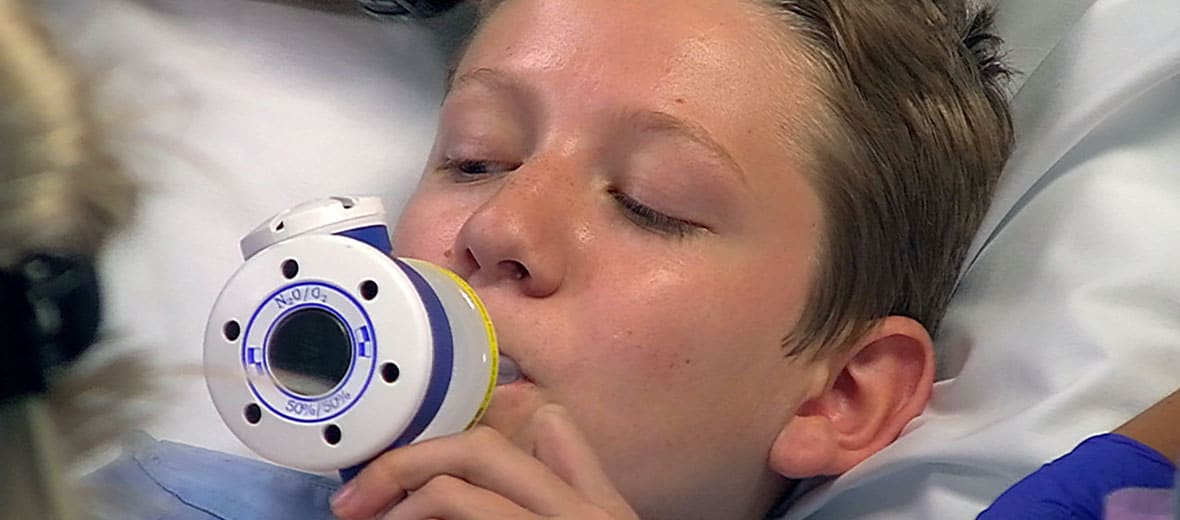
“I just thought to myself ‘he must wake up’ and thankfully he did. He was agitated and confused, but it was such a relief to see his eyes open again. I was just so grateful he was still here.”
After regaining consciousness, Rio was moved to the High Dependency Unit at Sheffield Children’s, before being moved onto the dedicated neurosciences ward, Ward 5. He was diagnosed with Acquired Hydrocephalus and initially had an external drain fitted to relieve the pressure in his brain, which was then replaced by a permanent shunt.
Rio also required the use of a wheelchair and a frame, with reconstructive surgery meaning that two pins were placed into his leg. In total, his stay at Sheffield Children’s lasted almost six weeks and once home he began weekly physiotherapy at his local hospital and occupational therapy at home.
Natalie continues:
“The shunt made a massive difference; he came on leaps and bounds after the operation and we were able to go home within a few days. Getting the pot off his leg was also a big improvement and we expect the pins will be removed later this summer.
“Thankfully, he’s now caught up with school and his teachers are happy with his progress. He still gets very emotional and worries about things he shouldn’t, but we’re both still dealing with the trauma of it all.”
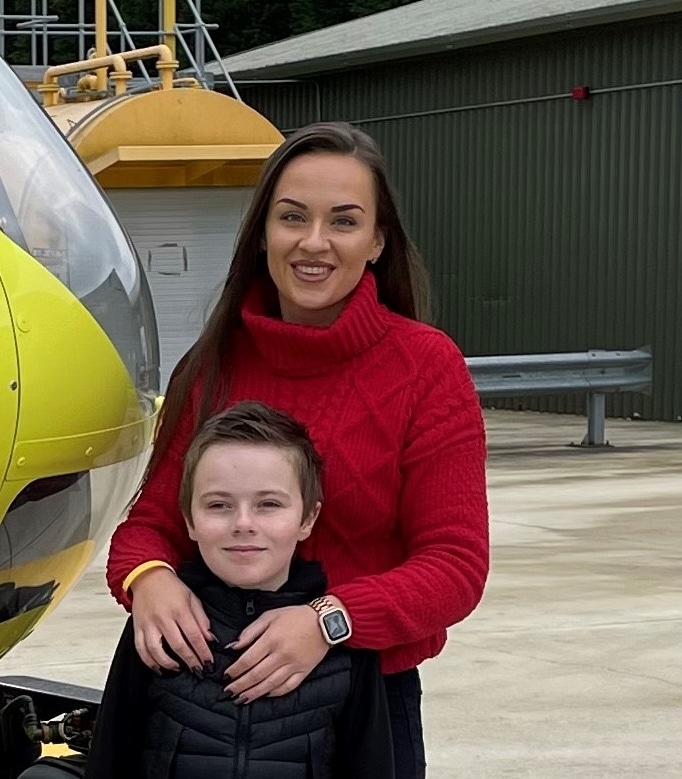
Today, Rio wishes to be an artist- he’s passionate about drawing and arts and crafts, with his latest creation a teddy made from a sock. He also enjoys playing video games and watching films on Netflix.
Natalie adds:
“The new Helipad is so important- not just for the vital time it would save, but the privacy and dignity it would bring too. People stopped what they were doing and stared, and in some cases got their phones out to film the helicopter too. I know it’s an unusual event, but I remember thinking ‘how could you? This is the worst moment of my life.”
Many air ambulance patients and their families have been in the same situation. Helipads ensure that patients can access treatment as quickly as possible with dignity. To help us build more helipads you can donate HERE.