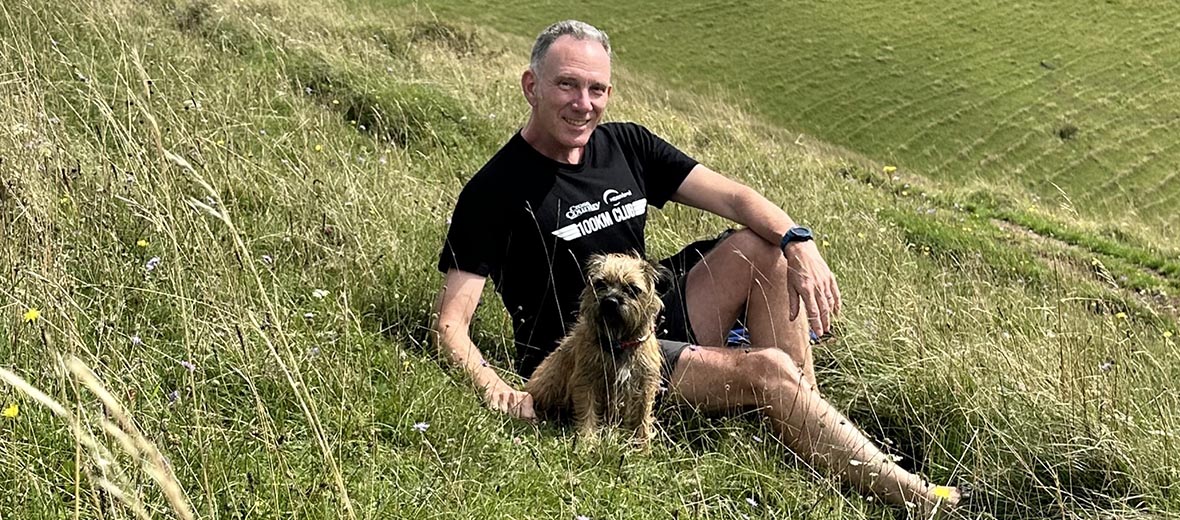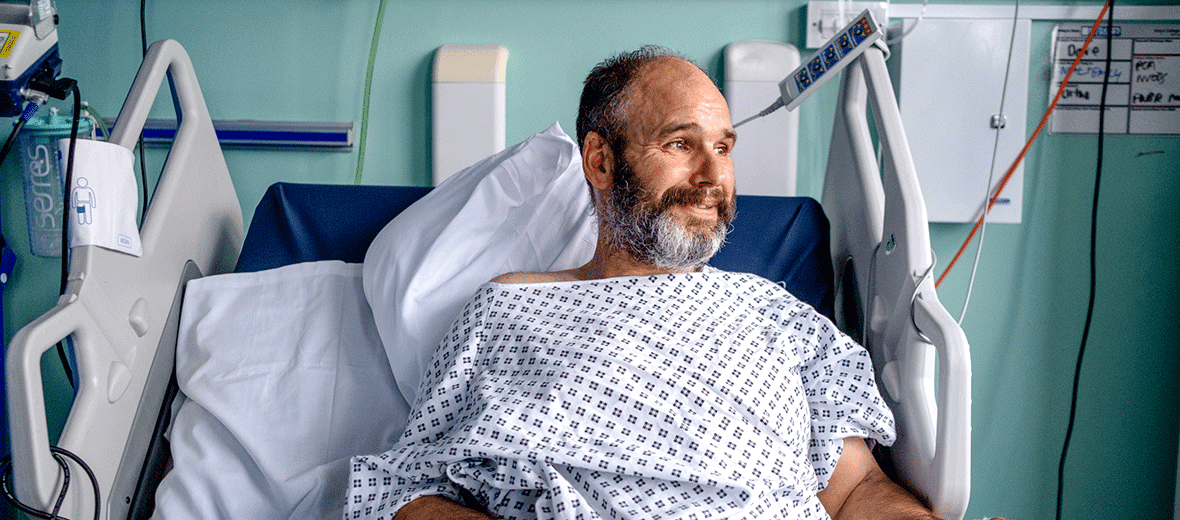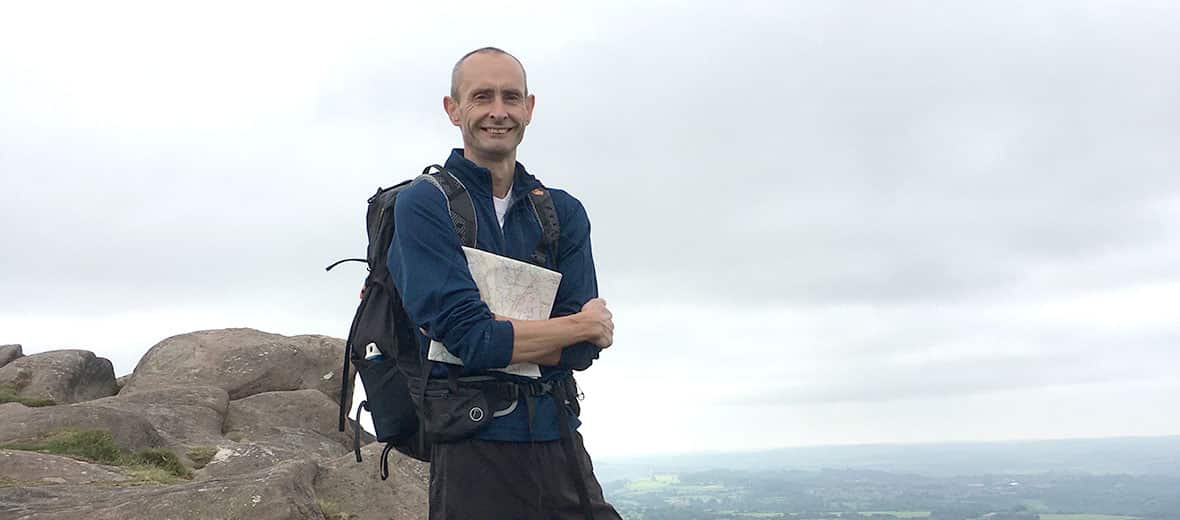
Paul Curtis has a remarkable story of survival after his heart stopped working for more than four hours when his body temperature plummeted after falling into a river while kayaking. Fortunately, his friend was able to perform CPR before paramedics and air ambulance crew arrived, which transferred Paul to the HELP Appeal funded helipad at King’s College hospital, where he was transferred to the Emergency Department in a matter of minutes for specialist treatment – a chain of survival, which ultimately saved his life.
On a summer’s day the River Medway is a mecca for water sports. In the middle of April, however, it can be less inviting and extremely cold. Paul Curtis and his friend kayaked on the river regularly until this year, when Paul capsized and fell into the water.
Paul takes up the story:
“I got back into the boat and was paddling back to the canoe club, but unfortunately about 500 metres or so from the club, I fell in again, probably because I got so cold and progressively colder. And then I don’t remember anything else and woke up in hospital four days later.”
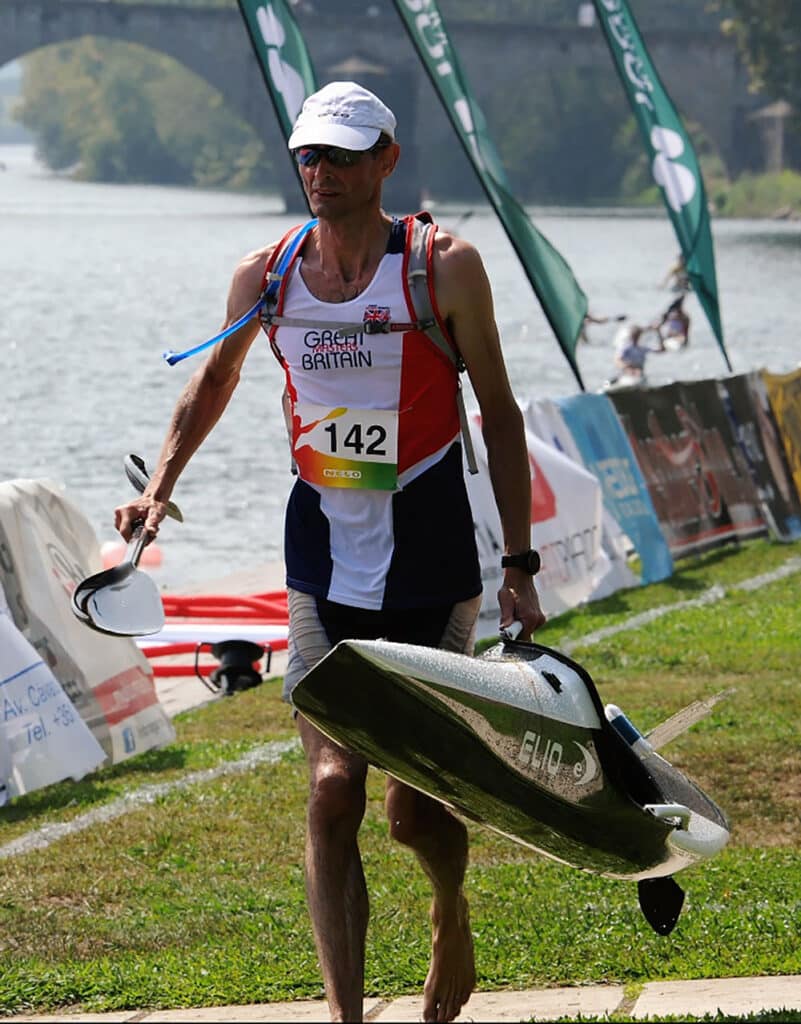
Paul was lucky to be kayaking with his friend Bryn, a trained first aider, who explains:
“At that stage he’d stopped breathing. I had to do two lots of rescue breaths, but shortly after that his circulation stopped. So, I then had to get him onto the floor and start doing CPR.”
Hypothermia had effectively stopped Paul’s heart from pumping properly. After ten minutes, paramedics were on the scene continuing CPR and using a defibrillator. Then the air ambulance arrived, which flew him to the helipad at King’s College hospital, which is the major trauma centre for south east London, Kent, Sussex and Surrey.
Getting to the hospital quickly enabled Paul to access an advanced ECMO machine, which allowed blood to be pumped outside of his body to a heart-lung machine that removes carbon dioxide and sends oxygen-filled blood back to tissues in the body.
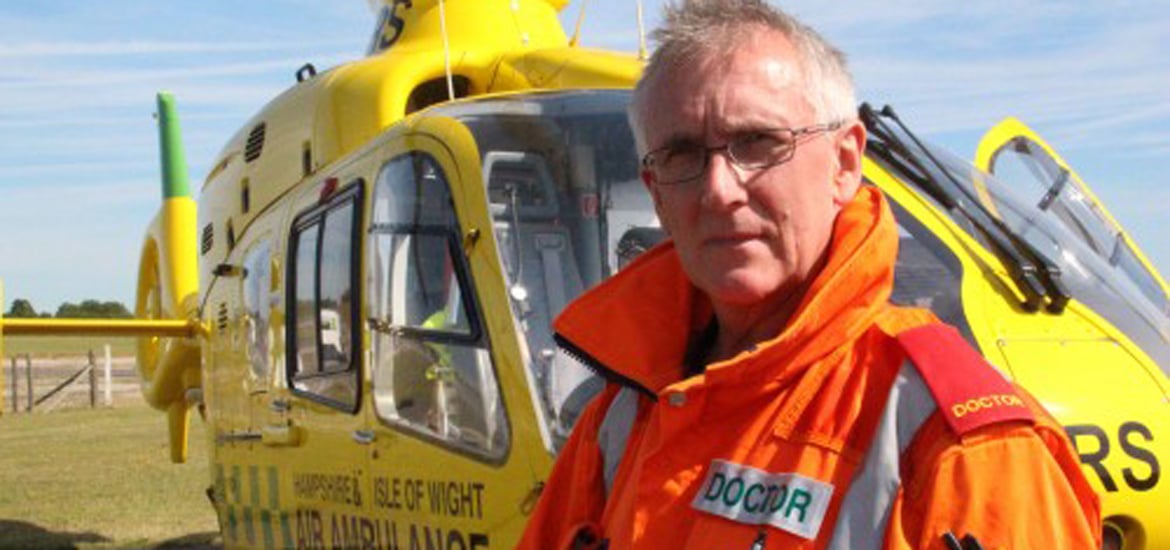
Dr Malcolm Tunnicliff, Clinical Director for Emergency and Acute Medicine at King’s College Hospital said:
“We treat some of the most seriously ill and critically injured patients in the south east. The helipad speeds up the time it takes to transfer patients from helicopter to hospital, giving them the best chance of survival.”
Paul also acknowledges how landing on a helipad beside the hospital’s Emergency Department helped to save his life:
“Minimising delays in the chain of care is key to patients receiving lifesaving medical treatment, so having the helipad close to the ER is vital. There is no doubt in my mind that the helipad at King’s being so close to where I was initially treated made a significant positive difference in my emergency treatment.”
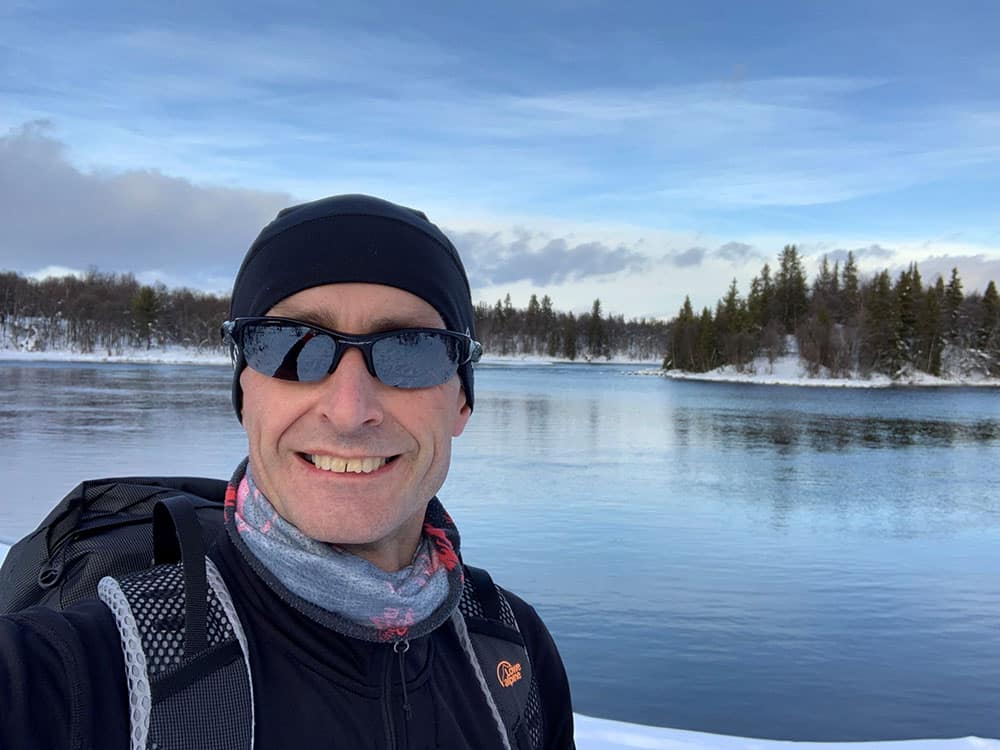
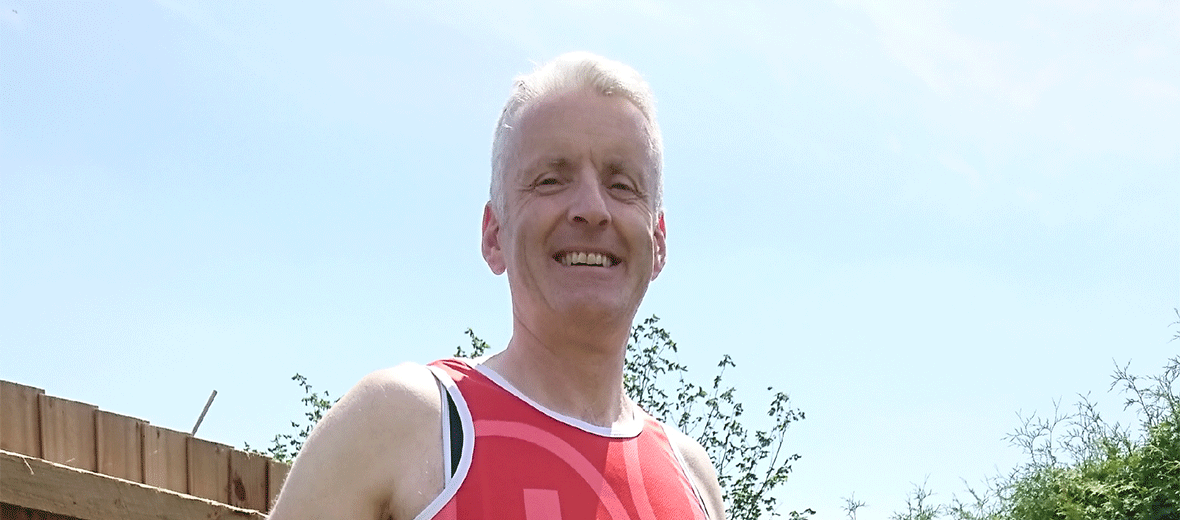
Thankfully, Paul is now doing extremely well:
“Despite my heart not working effectively for between four and five hours, the world class treatment I received at all stages of the process has meant that I’m back at work full time, am back running and working out and have retained all my memory and abilities. I’m told this is remarkable in both extent and also the short time between accident and this recovery. The rapidity of being able to access this care along with the quality of the treatment and care provided is, I believe responsible for my recovery. Had there been delays, or my treatment not been of such an exemplary standard I think the outcome would have not been so positive. I have yet to decide however whether I will return to kayaking!”