The charity has already funded 55 hospital helipads and is ‘well placed’ to continue to support current and future requirements.
The HELP Appeal has welcomed a major new report from the All-Party Parliamentary Group (APPG) for Air Ambulances, which highlights significant variation in hospital helipad provision across Britain and calls for safeguarded 24/7 on-site helipad access at all Major Trauma Centres (MTCs) and specialist hospitals.
The report, Critical Moments, Life-Saving Infrastructure: The Case for Safeguarded 24/7 On-Site Hospital Helipads, assesses 43 hospitals across the UK and identifies a clear national infrastructure gap, with more than half of sites unable to consistently support full 24/7 on-site helipad access. This means air ambulances may be required to land at alternative off-site secondary locations, with patients then transferred by road for the final stage of their journey. These additional steps can introduce avoidable delays in accessing specialist treatment and, in some cases, put lives at risk.
The findings reinforce the HELP Appeal’s long-standing mission to improve access to life-saving emergency care by funding hospital helipads across Great Britain. Since its establishment, the HELP Appeal remains the only charity in the country dedicated to funding NHS hospital helipads.

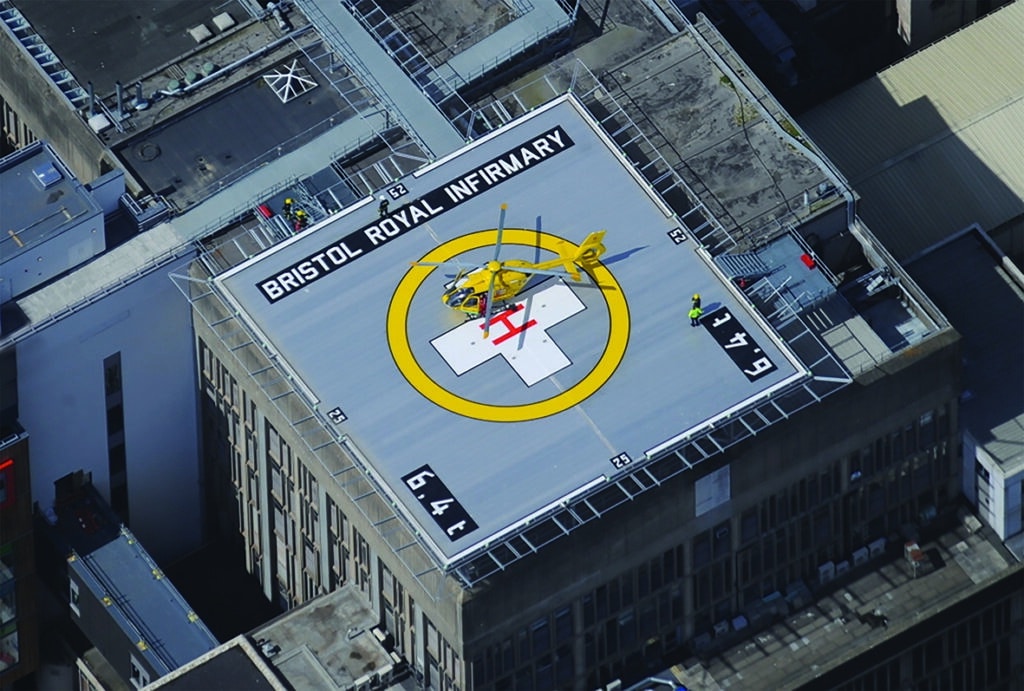
To date, the charity has funded 55 helipad projects, including 32 brand-new helipads which have seen over 34,500 helicopter landings, and 23 major upgrades, helping to transform access to emergency and specialist care for critically ill and injured patients.
The report also demonstrates the significant impact the HELP Appeal has had on the UK’s hospital helipad network. Of the 43 hospitals identified within the UK’s major trauma and trauma centre network, the charity has supported all but five.
Among the 32 Major Trauma Centres in Great Britain, the HELP Appeal has funded 18 helipads either in full or in part beginning with Southampton General Hospital in 2011 and provided funding for upgrades or feasibility studies at a further 12 Major Trauma Centres.
Within the 11 Trauma Units assessed, the HELP Appeal has funded helipads at three hospitals and is currently working with a further seven hospitals to improve access for air ambulance patients.

A proven funding model
The APPG report calls for the Government to provide national leadership, remove legislative barriers, and enable a coordinated national approach, to ensure that every patient can benefit from direct access to specialist care, regardless of where they are injured or become critically ill. Having already funded the delivery of a wide range of hospital helipad infrastructure projects, the HELP Appeal is well placed to continue to support current and future requirements.
Robert Bertram, Chief Executive of the HELP Appeal, said:
“We strongly support the report’s call for longer operating hours and safeguarded 24/7 access to hospital helipads. While significant progress has been made, many hospitals lack the infrastructure or operational arrangements needed to ensure air ambulance patients can be transferred directly to specialist care at any time of day or night.
“After 16 years of funding hospital helipads across Great Britain, the HELP Appeal’s work demonstrates what can be achieved. Through charitable support, we have funded a wide range of lifesaving helipad projects, helping air ambulances and hospitals provide faster access to treatment when every minute matters.
“The HELP Appeal has shown that a proven funding model already exists. The priority now is ensuring the right national policy, operational safeguarding and coordination are in place so that every patient can benefit from direct access to specialist care, wherever they are in the country.”
Mike McGrath, CEO, Air Ambulance UK adds:
“Access to safeguarded 24/7 on-site hospital helipads at Major Trauma Centres and specialist hospitals remains inconsistent across the UK, despite decades of recognition of this issue. For air ambulance services, this reality directly affects how efficiently patients can receive specialist care. This report demonstrates the evidence, operational experience and proven delivery models that exist. What’s needed now is clear national direction and coordination from Government to ensure this gap is addressed comprehensively and consistently across the UK – so every patient has equitable access to life-saving care, regardless of location.”
The HELP Appeal is urging policymakers, NHS leaders and healthcare providers to work together to address the gaps identified in the report and ensure that hospital helipads are recognised as essential clinical infrastructure within the UK’s trauma and emergency care network.
A public petition to Government Ministers in the Department of Health and Social Care, working with the Department for Transport, the Ministry of Housing, Communities and Local Government, and NHS England to ensure air ambulances can land on-site at hospitals 24/7 in life-threatening emergencies is available HERE.